

Bariatric Wheelchair Scale
Medical environments often require scales to precisely determine weight for patient care. Nevertheless, weighing bariatric clients on traditional scales can put nurses at danger of musculoskeletal injuries.
High-capacity weighing gadgets that are safe for wheelchair usage can be expensive and challenging to transport. The brand-new XLine series from seca uses a lightweight, portable solution that provides precise seated, standing and wheelchair weighing in one gadget.
Weight Capacity
In addition to using a high capacity, a bariatric wheelchair scale should be portable and simple to transport. bariatric mobility equipment include a large platform with ramps that accommodate a wheelchair, so patients can be weighed while being in their chair. Some even have a practical keypad tare function that subtracts the weight of the chair from the client's overall weight, which lowers mistakes and saves time.
The Detecto FHD bariatric wheelchair scale offers a large slip-resistant platform that easily accommodates walk-on patients or wheelchairs, in addition to straight-legged chairs and walkers. The exceptionally flat profile makes the scale simple to navigate, while the 1,000 pound/ 450 kg capacity is plenty for the majority of applications. A numeric keypad allows you to go into wheelchair tare weights with ease and the indication is simple to read from all directions thanks to an eye-level style. The portable FHD scale can be wall-mounted or used as a freestanding system, and it consists of a remote display for tabletop usage or wall-mounting. The FHD is battery-powered or AC, and it's EMR/EHR prepared with serial, USB and optional Ethernet ports for connection to printers and PCs.
The Detecto 7550 stationary wheelchair scale has a detachable ramp kit that allows the health care professional to move the wheelchair on and off of the platform at ground level, which can be more comfy for the patient. This design also features a built-in hand rails for ambulatory clients and a Die-Cast eye-level doctor scale weigh beam that's easily legible from both sides. This scale's fold-up storage style assists save space, so it can be positioned straight in common locations and work zones without occupying important floor space. It also saves out of sight when not in use, retaining client self-respect and helping to streamline workflow.
Portability
A bariatric wheelchair scale is created to be portable and easy to transport around health care facilities. It has a high load capacity that can support most wheelchairs, including power models, and includes a ramp package for effortless movement on and off the platform. Its durable understructure is built to last for a life time of usage.
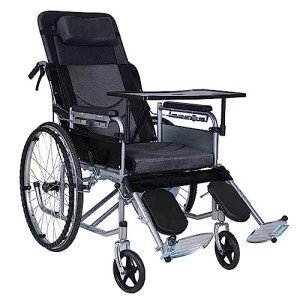
The wheelchair scales are also flexible, allowing health care experts to weigh people while seated or standing and with their wheelchair. Systems lock into kgs or pounds, and the big platform is quickly accessible with double ramps from either side. Some designs provide to 99 tares to store wheelchair weights for quick and convenient gain access to. They can run on battery or AC power and include a remote display with alphanumeric keypad, RS232 and USB ports, and Wi-Fi/ Bluetooth on choose models for wireless EMR/EHR connection.
While a basic wheelchair uses mobility for those with restricted mobility, a bariatric chair is specially designed for larger individuals and provides greater comfort and safety than routine chairs. This type of chair is usually built with a heavier-duty frame and features a broader seat, making it possible for more room for users and increasing stability and maneuverability.
Bariatric wheelchairs are readily available in manual and electric alternatives, depending upon the user's preference. While both types can improve your quality of life, it's essential to examine your mobility requirements and physical condition before choosing a wheelchair model. A wheelchair professional can help you understand your individual circumstance and advise the finest mobility service for your lifestyle and requirements.
A bariatric wheelchair scale is an important tool for health care specialists to precisely weigh patients using a wheelchair. Its durable understructure can support most wheelchairs and features a ramp kit for effortless motion of individuals on and off the platform. Its eye-level doctor scale screen is understandable from both sides and allows health care experts to check out the outcomes rapidly and efficiently. It is likewise able to accommodate both seated and ambulatory patients with a padded hand rails. Input from clients specializing in the care of ambulatory clients is integrated into design features such as a recessed handle, a ramp set, and an incredibly flat platform.
Resilience
Unlike conventional wheelchairs, bariatric chairs are developed with heavier-duty frames and enhanced products to support greater weight capabilities. This means they can often be more expensive, however are well worth the financial investment for a better lifestyle. They make it possible for people to navigate with ease, recovering their independence and breaking down barriers. They also help them eat more conveniently, exercise and participate in social activities, and live life by themselves terms without needing assistance from others.
With the growing number of bariatric clients, healthcare facilities require to equip their centers with customized equipment. This consists of large-platform bariatric wheelchair scales to accommodate heavier wheelchairs and mobility devices while focusing on patient security and decreasing physical strain on nursing staff.
Many standard wheelchair scales feature steep incline ramps that are difficult for nurses to push heavy wheelchairs up onto. This puts unnecessary pressure on personnel and can lead to injury. Luckily, there are brand-new developments that make the procedure more effective and more secure for both clients and healthcare experts. One example is the XLine series of scales by seca, which features a flat platform and high capacity, allowing bariatric wheelchairs to roll directly on top of the scale. This gets rid of the need for manual lifting and makes the weighing process quicker and easier.
Other bariatric wheelchair scales provide a more hassle-free digital screen that can be checked out from a range. With larger digits and the option to pick in between pounds or kgs, these scales offer a simpler user experience for both patients and healthcare professionals. They can be connected to a computer system through RS-232 or USB for easy data transmission and remote tracking of client weights over time.
Other types of wheelchair scales, such as the heavy-duty Summit SB-1150 Healthweigh, are wall-mountable to conserve space in tight corridors and work zones. They can likewise be folded away when not in usage, permitting health care experts to weigh patients in open typical areas instead of backrooms or closets. This permits them to maintain client dignity by preventing transfer, and it also helps to enhance workflows.
Care
Bariatric wheelchairs are heavier and larger than basic ones, making them less portable and more challenging to transport. But with the best weighing equipment, it's possible to enhance workflows and make sure maximum client safety.
Large-platform, space-optimized bariatric wheelchair scales make it possible for health centers to fulfill accreditation standards and improve client care with features that focus on both nurse security and general healthcare facility effectiveness. In addition to a safe, stable platform, the seca XLine series offers low-incline ramps that make it easier for nurses to push patients onto the scale, minimizing the physical strain of manual lifting and reducing the danger of musculoskeletal injuries.
Direct EMR-Validated Integration makes sure that weight data is accurately transferred to the correct client file, getting rid of documentation mistakes and preventing weight-based medication dosing mistakes. The XLine's Tare-by-Scanning function likewise allows staff to effortlessly recover the previous weight measurement without having to eliminate the wheelchair from the scale, additional simplifying clinical jobs. Plus, antimicrobial-coated hand rails improve infection control and supply strong assistance for patients who need help standing. This bariatric wheelchair scale also folds in a few easy moves and comes with castors to help with smooth transportation from space to space.